Wiki » History » Version 17
« Previous -
Version 17/163
(diff) -
Next » -
Current version
Marta Martins Filipe, 21/05/2026 10:51
Obstech - Tele-CTG: Conceção e prototipagem dum serviço de telemedicina em obstetrícia
0. Abstract
The Obstech – Tele-CTG project aims to conceive and prototype an innovative telemedicine service in the field of obstetrics, focused on remote cardiotocography (CTG) monitoring during pregnancy. Cardiotocography is an essential clinical exam that simultaneously records fetal heart rate and uterine activity, traditionally performed in hospital settings.
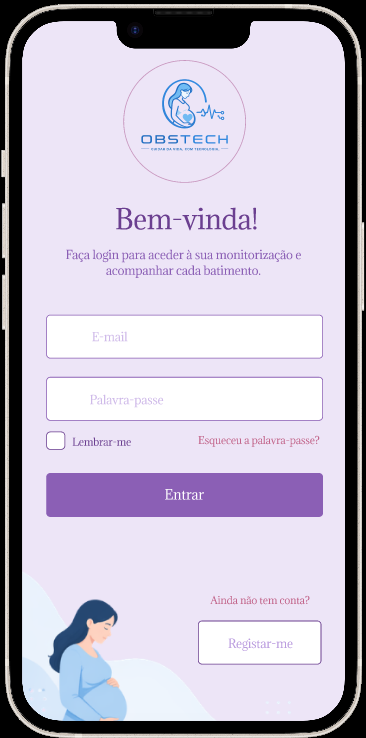
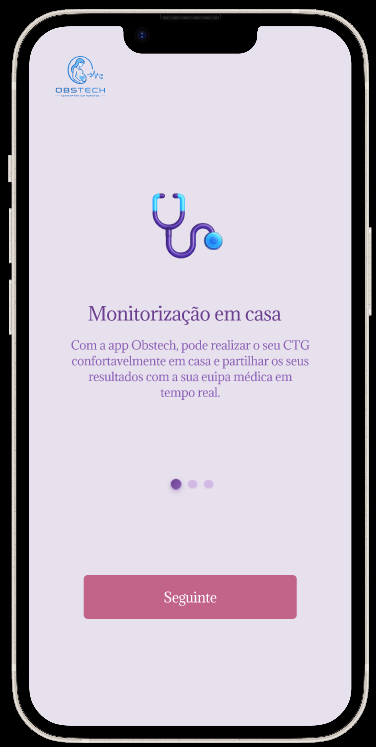
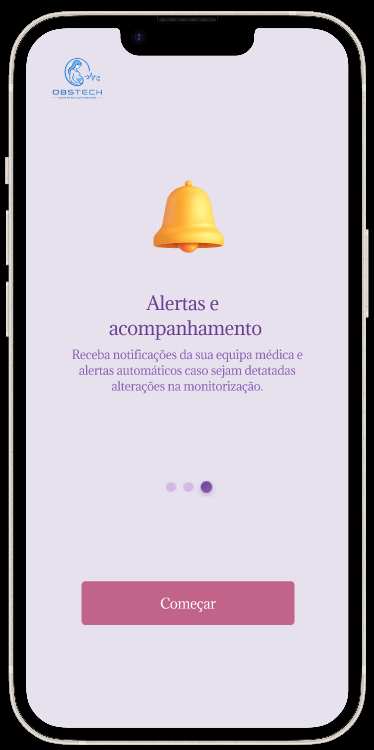
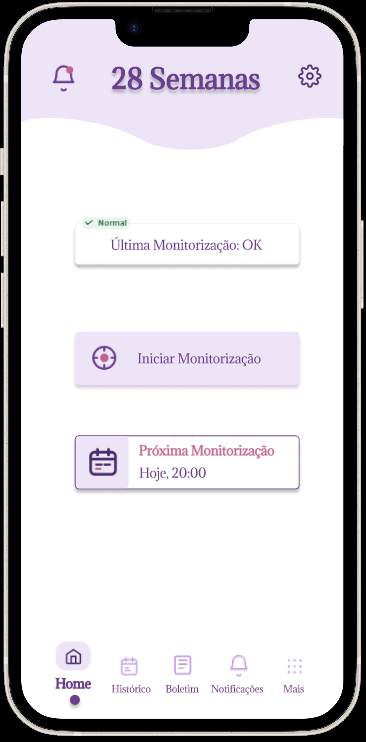
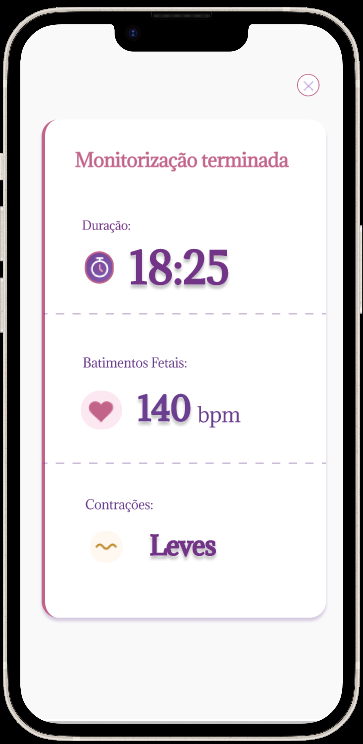
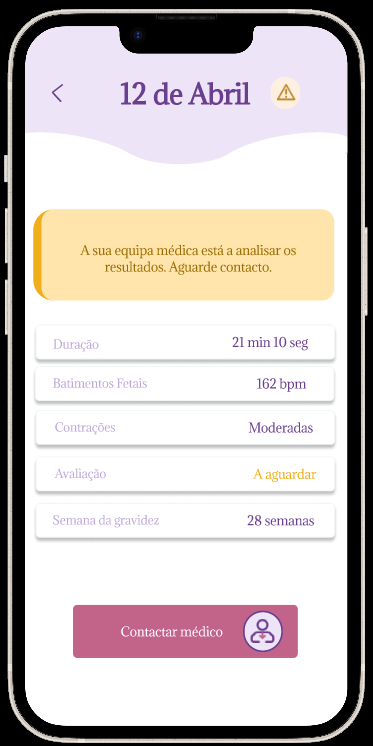
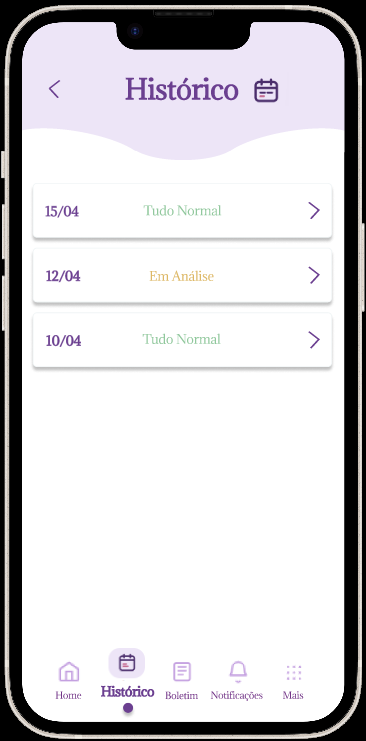
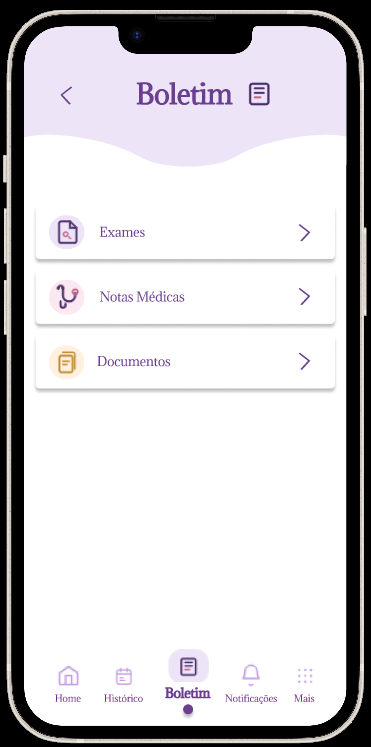
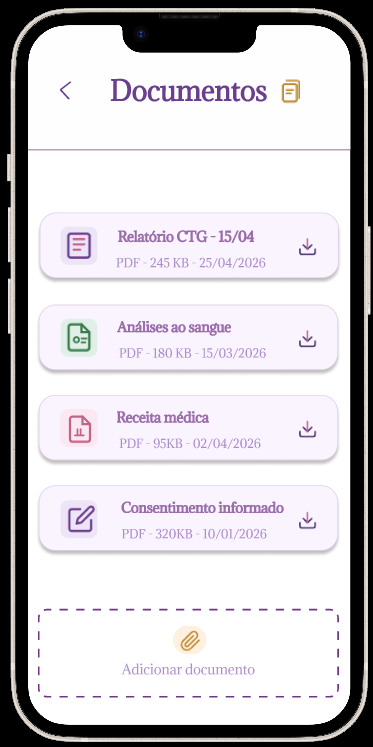
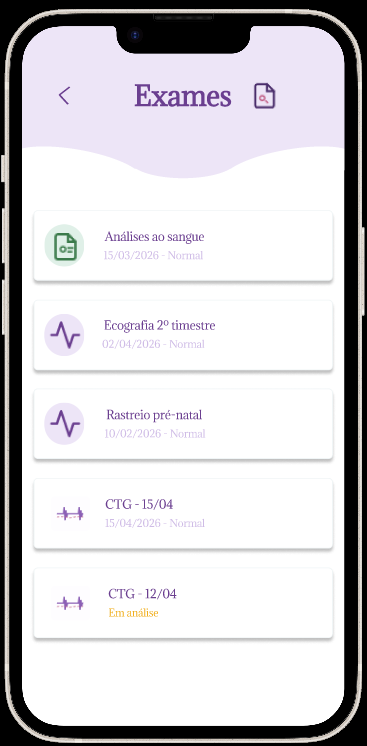
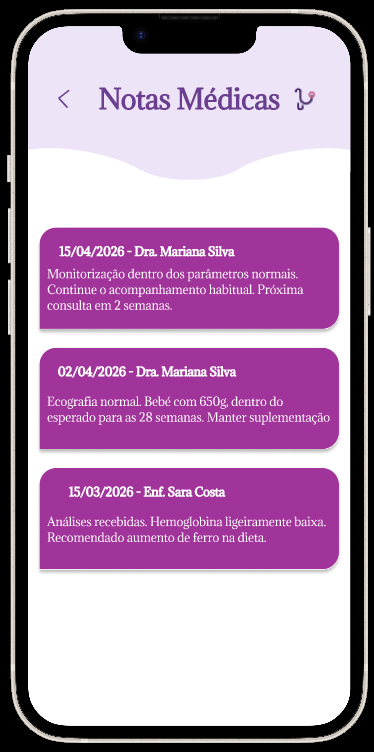
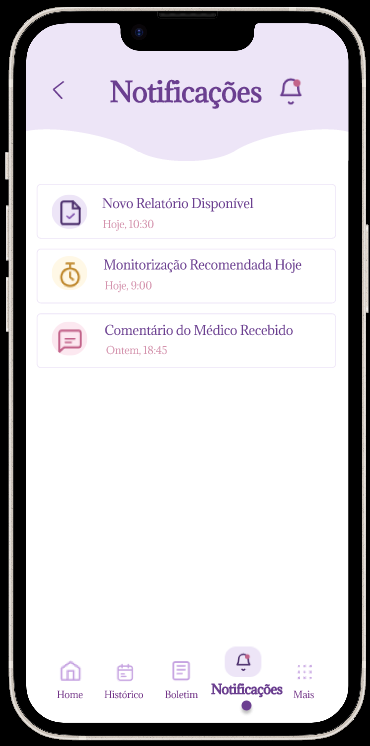
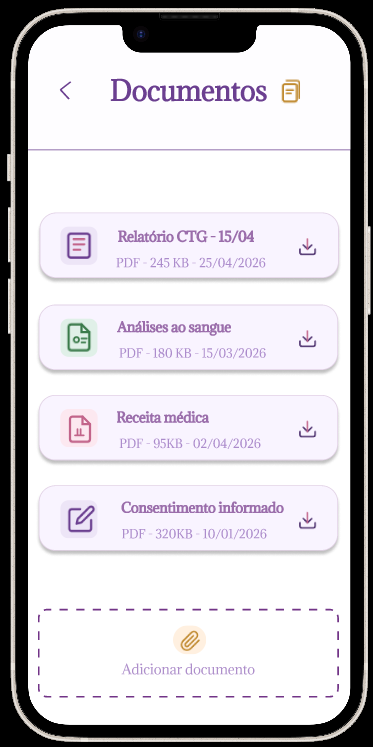
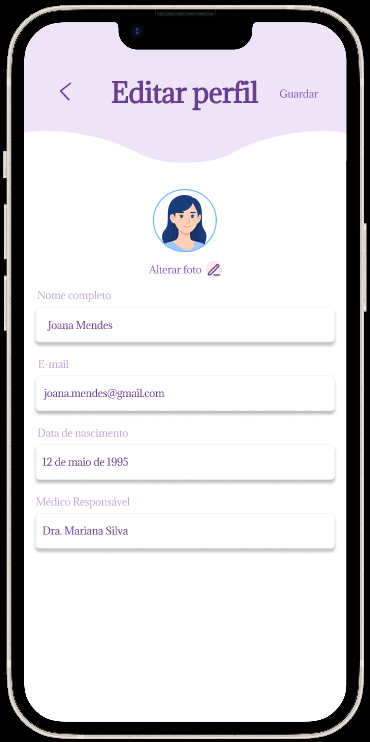
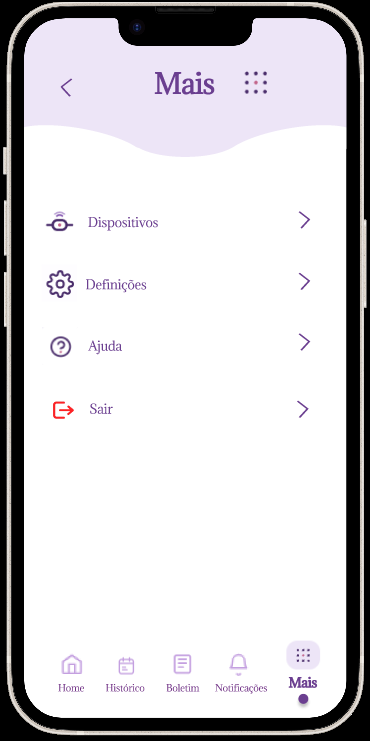
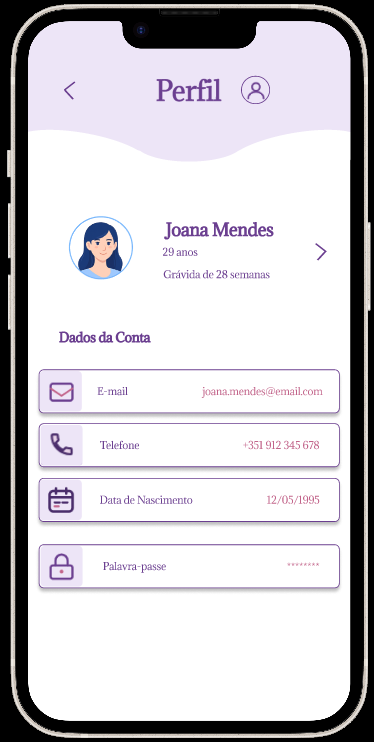
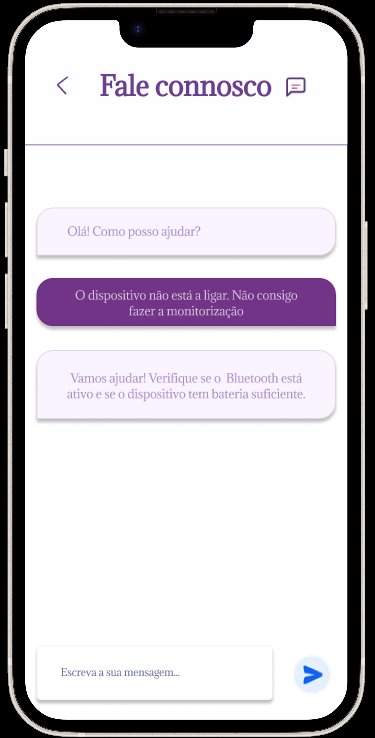
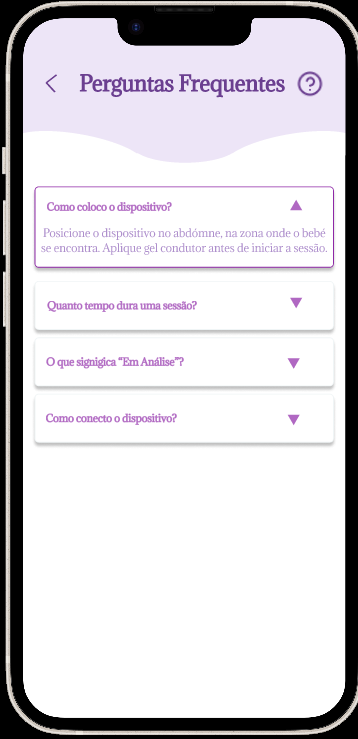
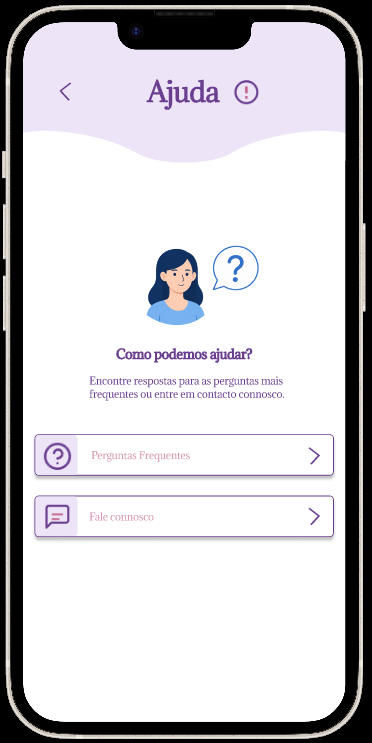
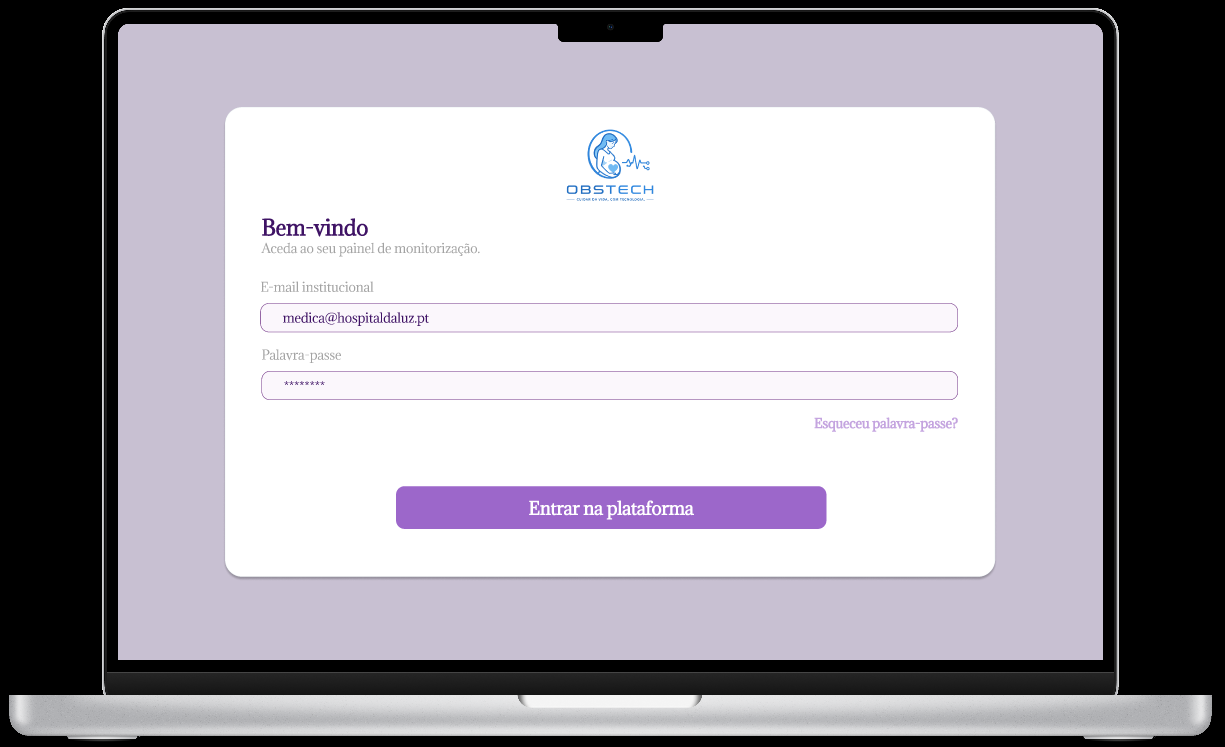
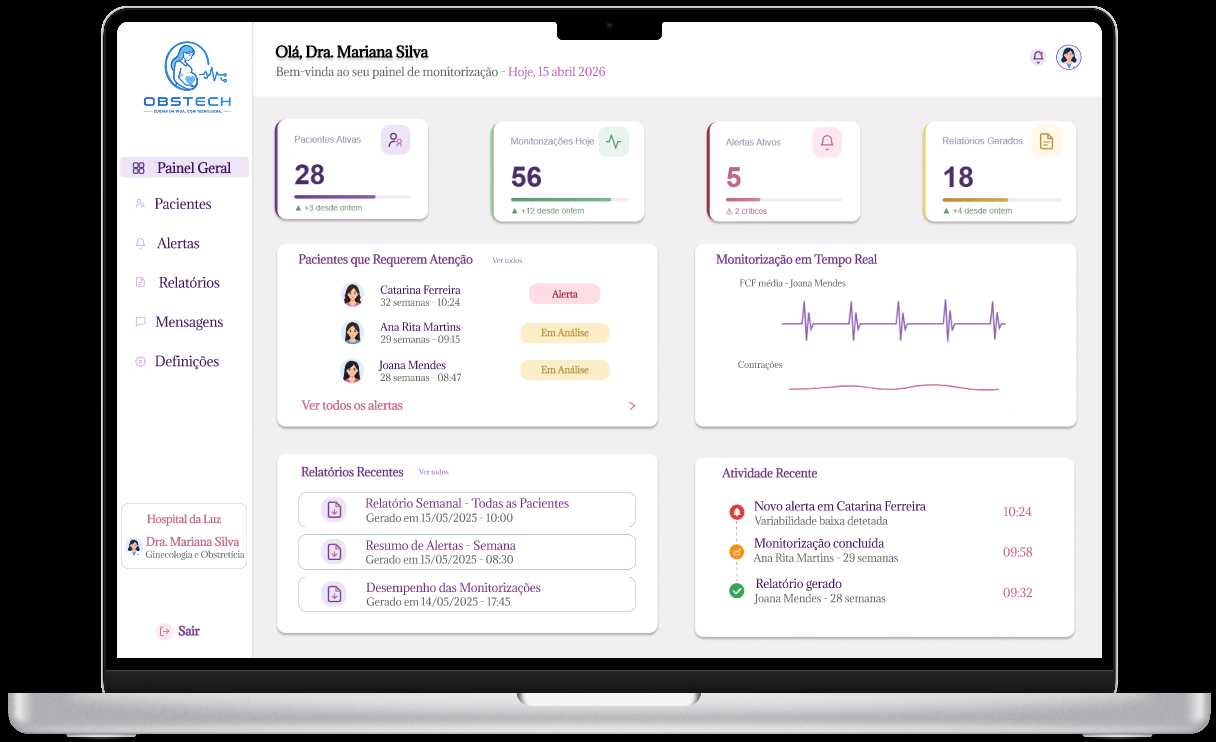
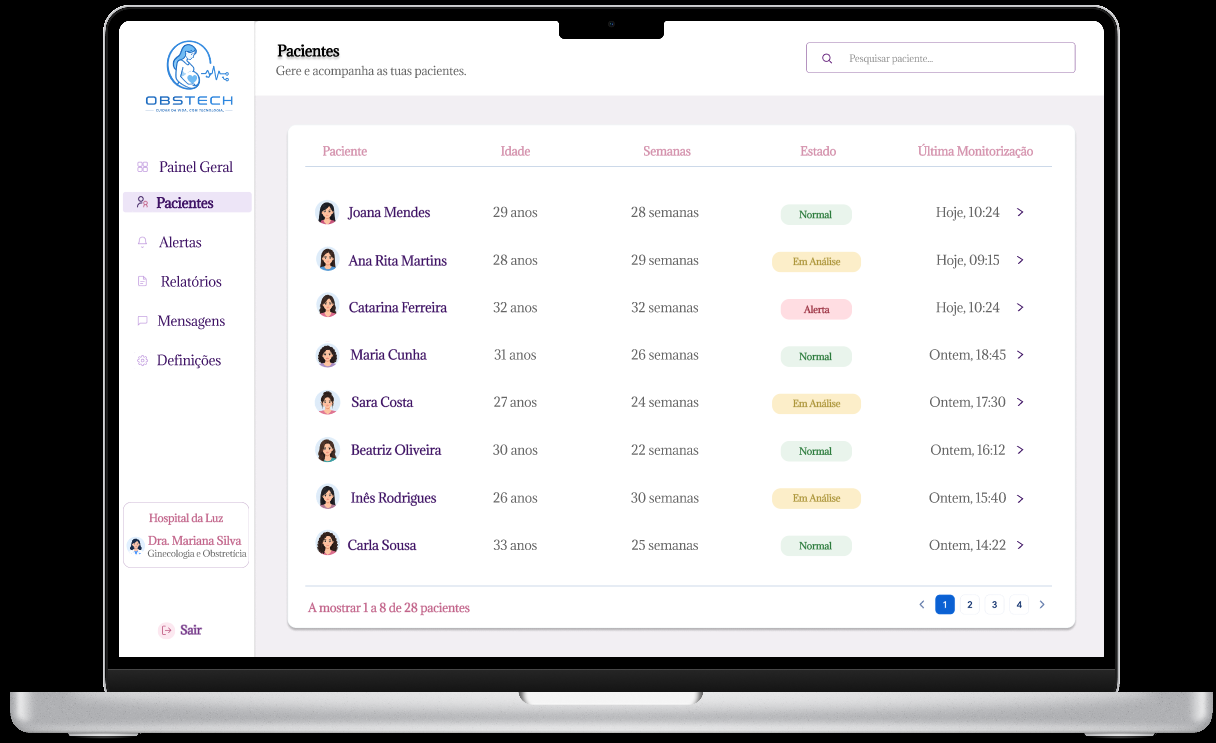
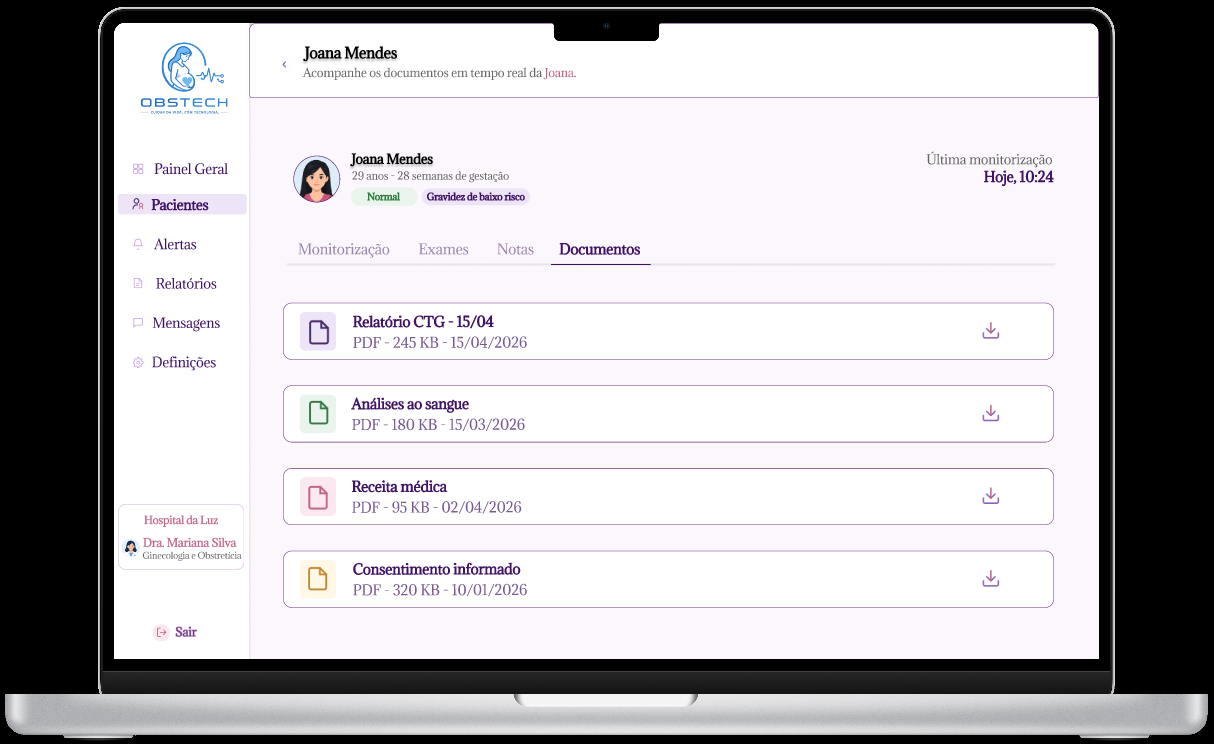
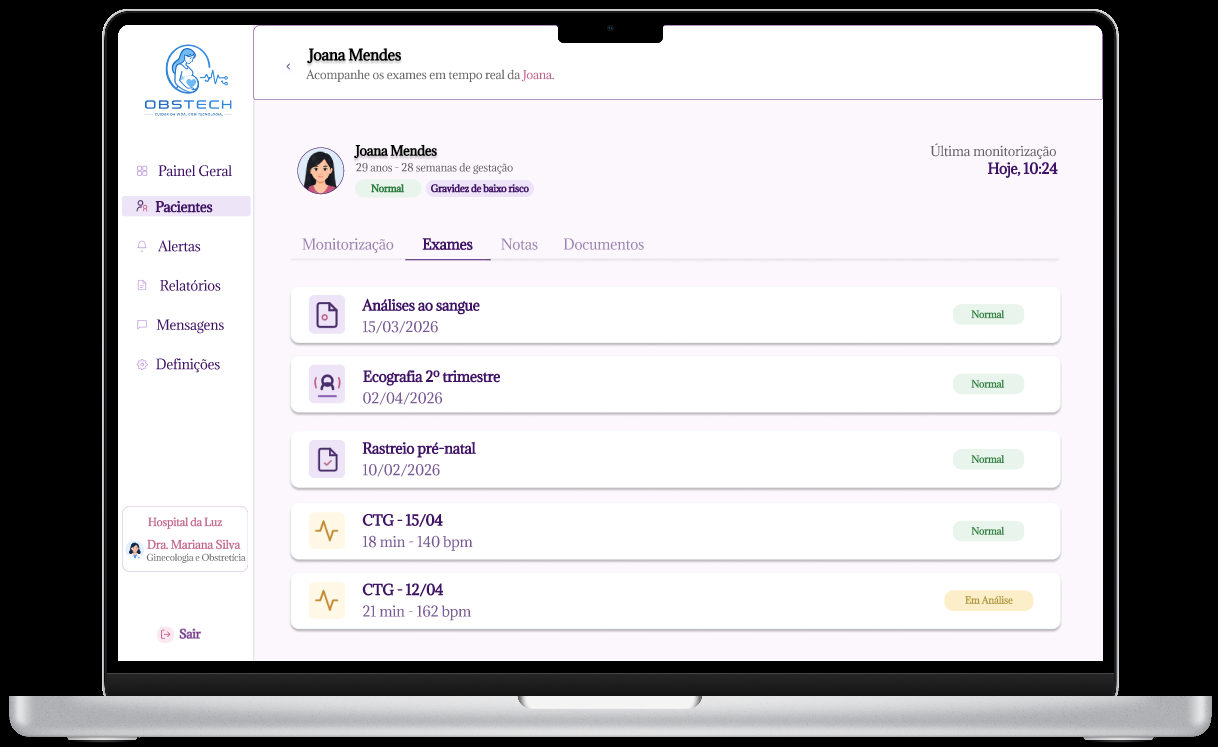
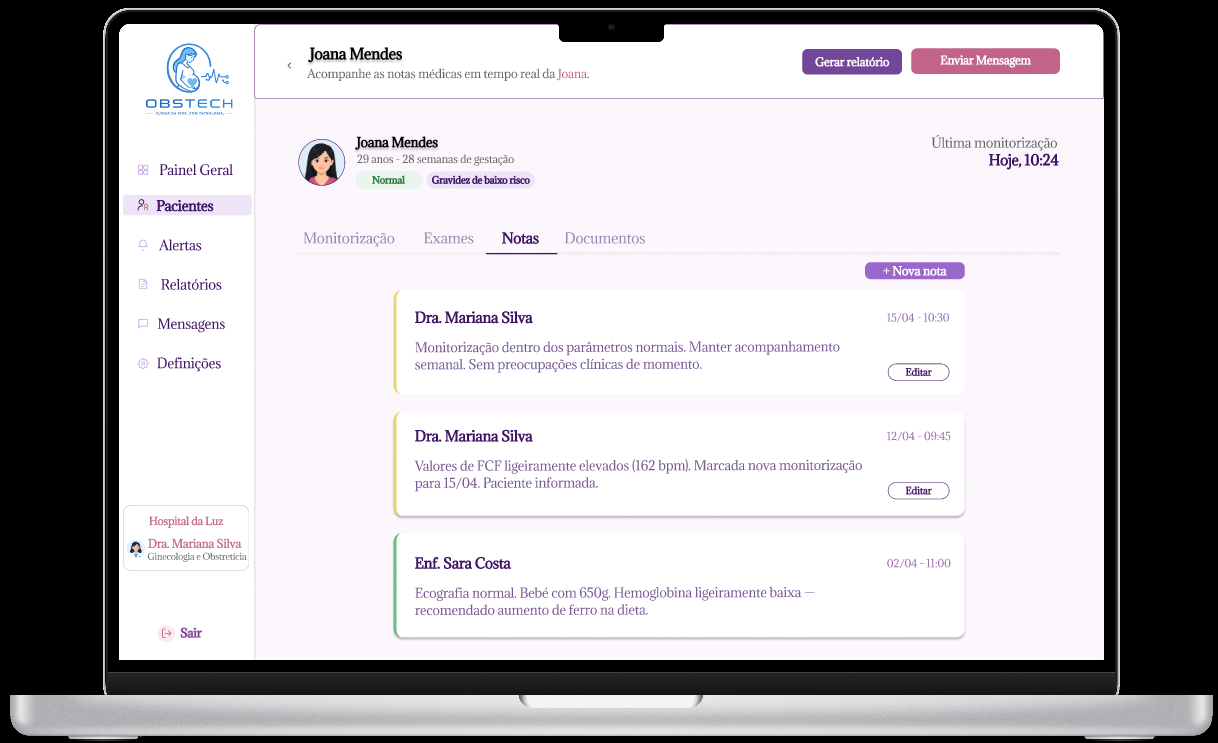
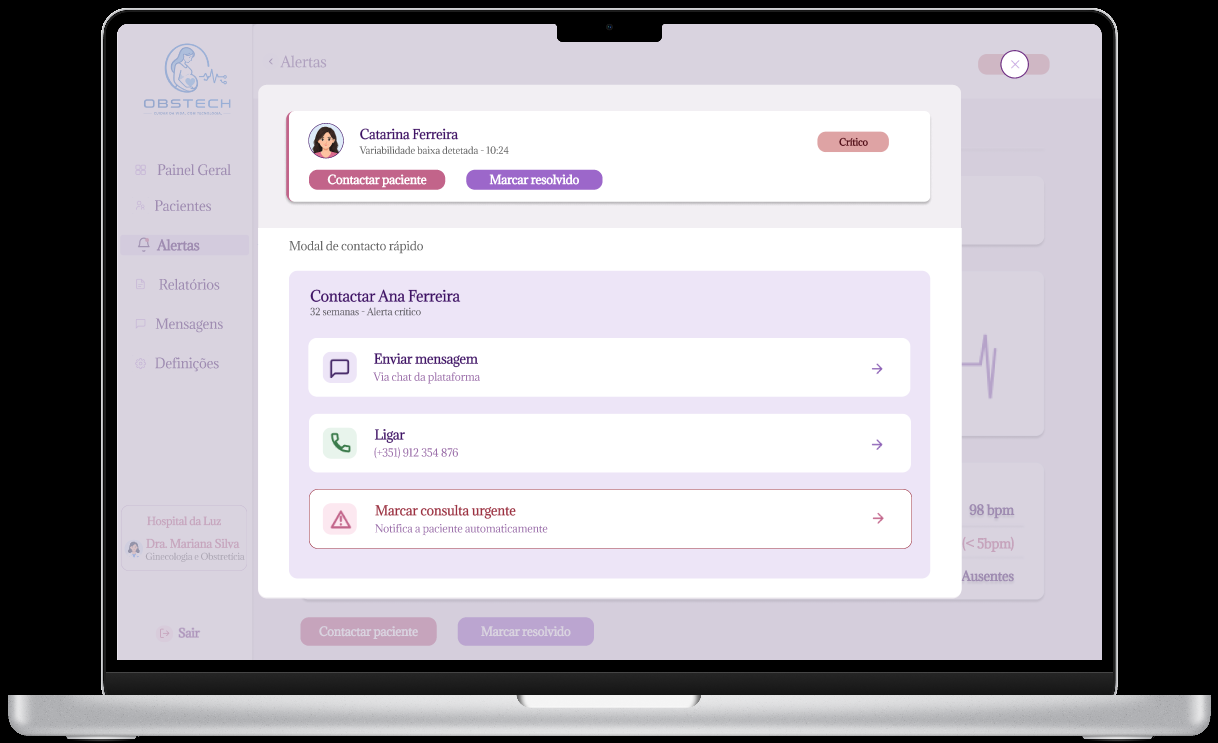
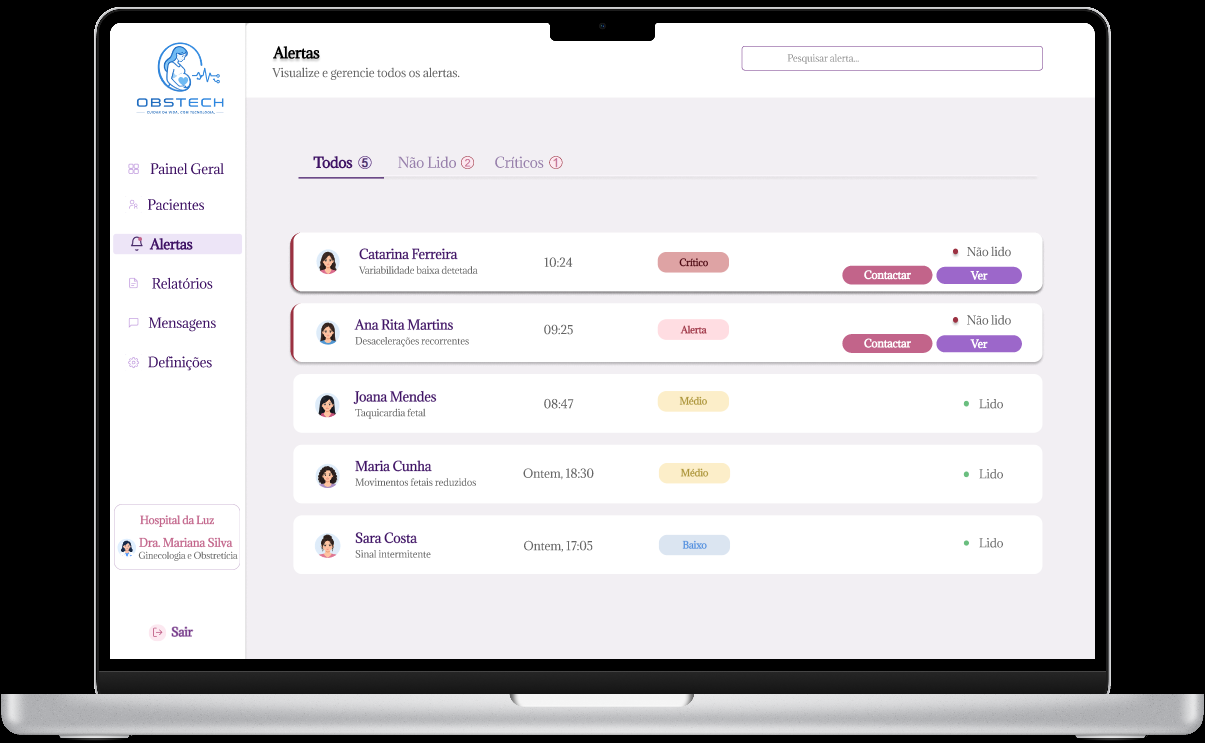
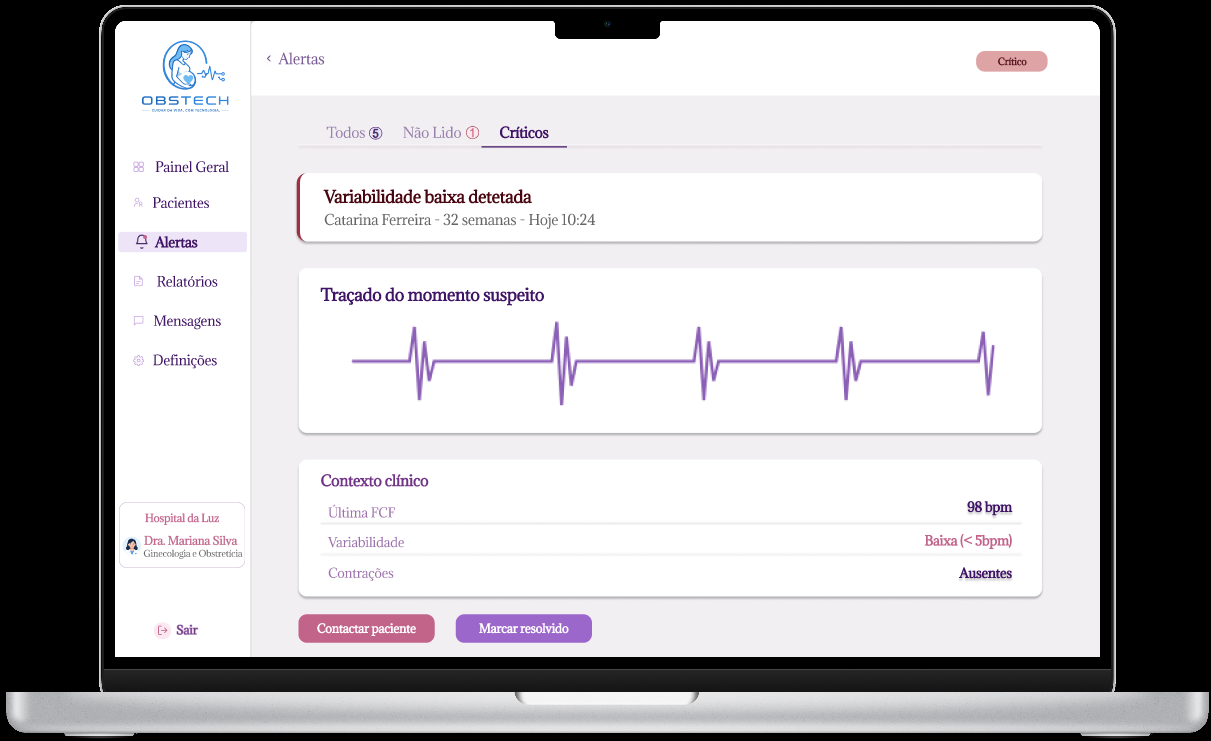
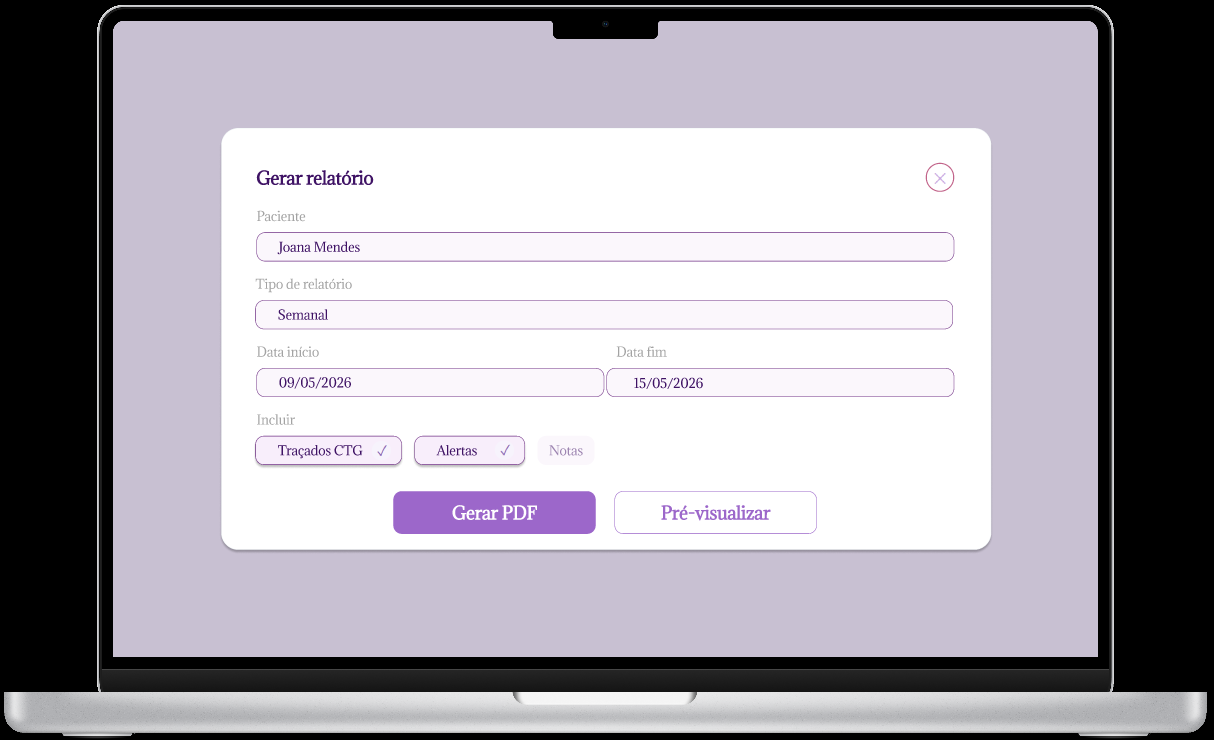
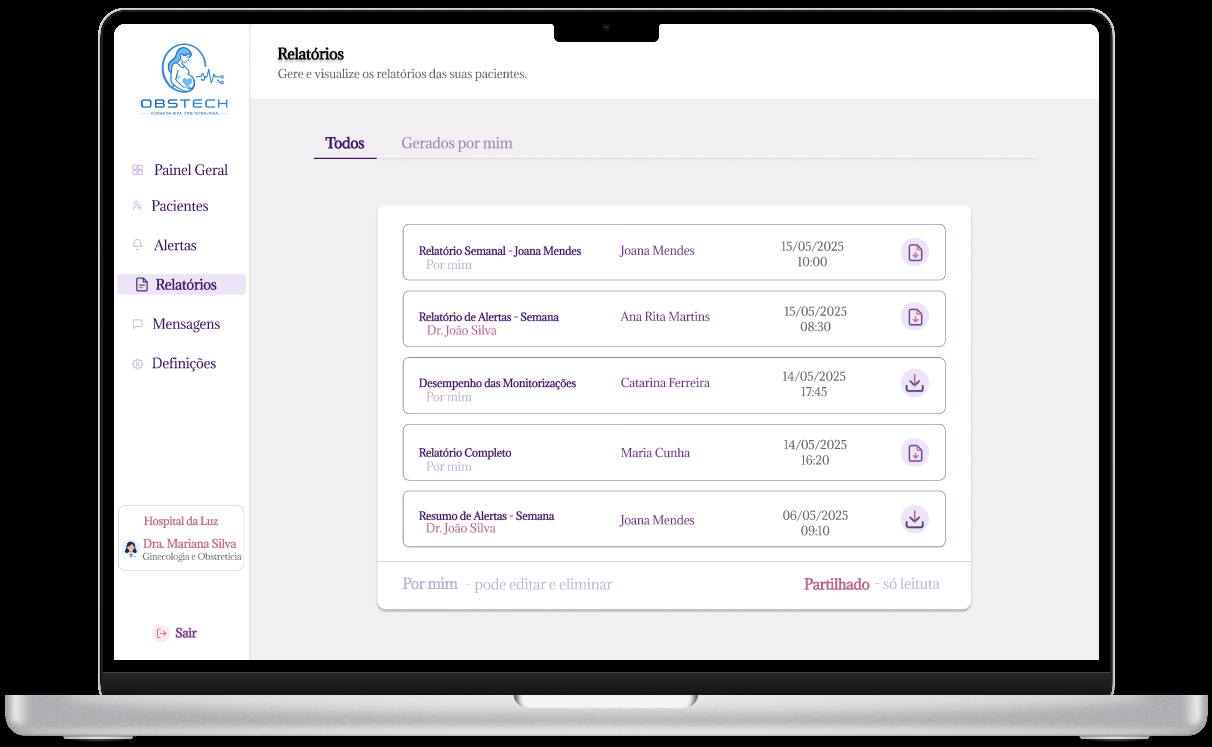
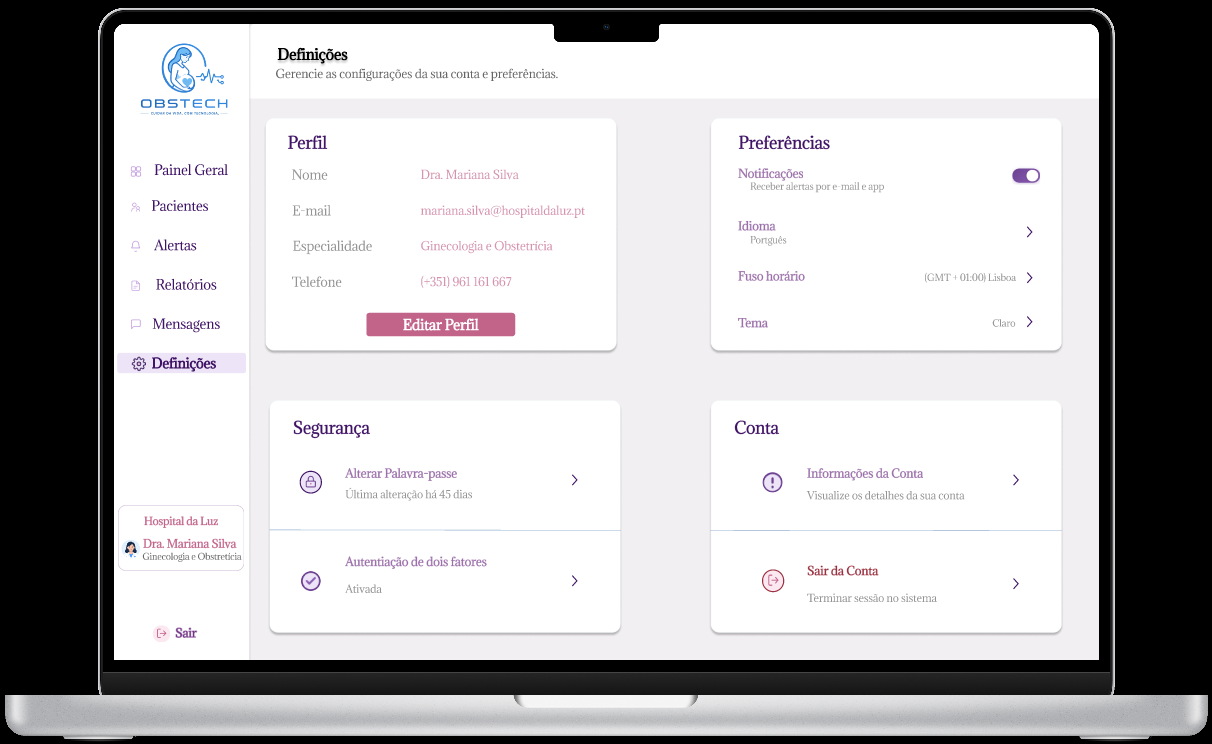
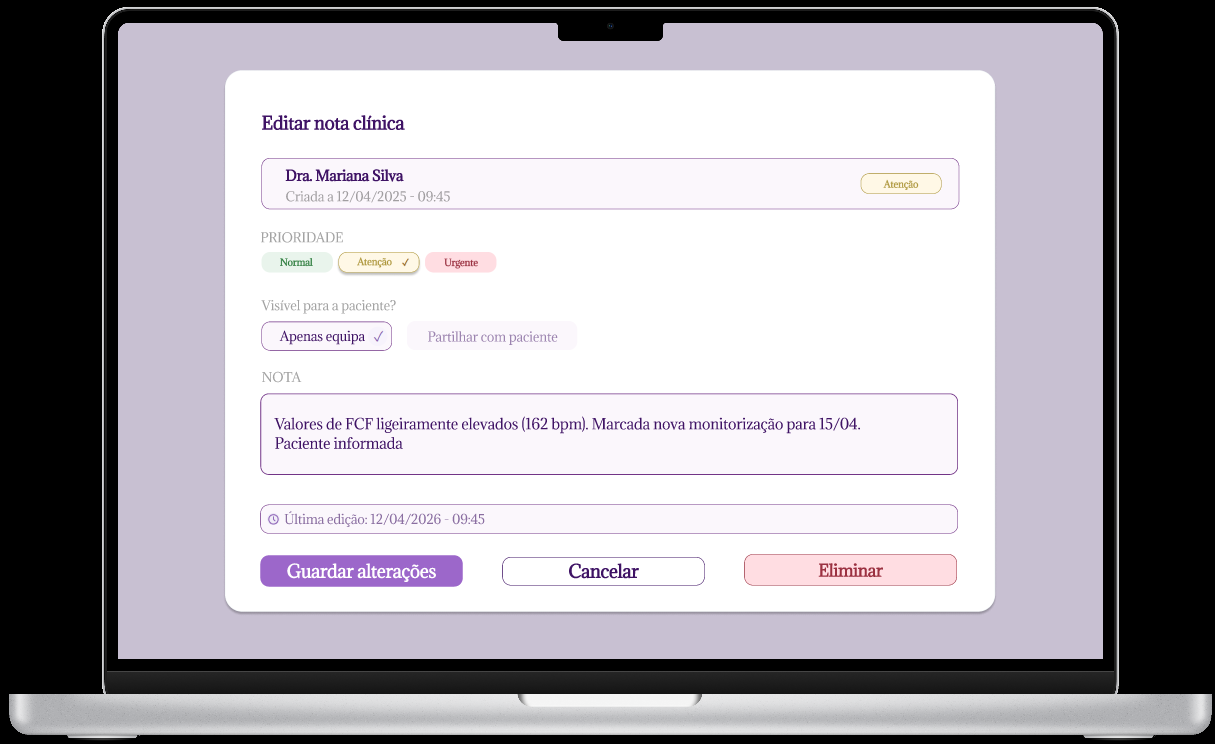
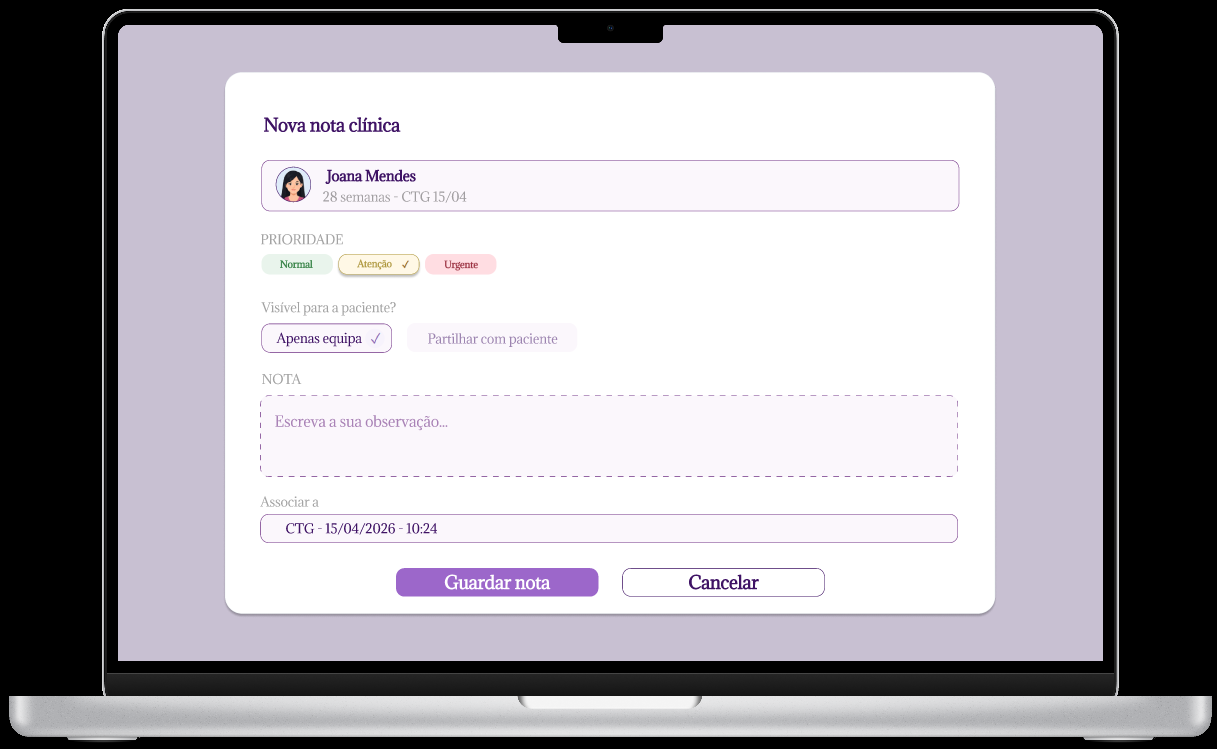
This project proposes a hybrid model composed of a portable signal acquisition device and an integrated digital platform with two distinct interfaces: one designed for the pregnant woman (patient-facing) and another for healthcare professionals (clinical-facing). The approach is centered on user interviews and functional mockup development to validate the system's utility and feasibility.
The solution addresses a clear gap in the current market, where existing solutions are either highly reliable but hospital-bound, or accessible but lacking clinical integration and intelligent data analysis. Obstech bridges these two extremes by combining clinical-grade CTG monitoring with a patient-centered digital experience.
Keywords: Telemedicine, Obstetrics, Cardiotocography, Remote Monitoring, eHealth, Prototyping
1. Introduction
1.1 What is Obstech – Tele-CTG?
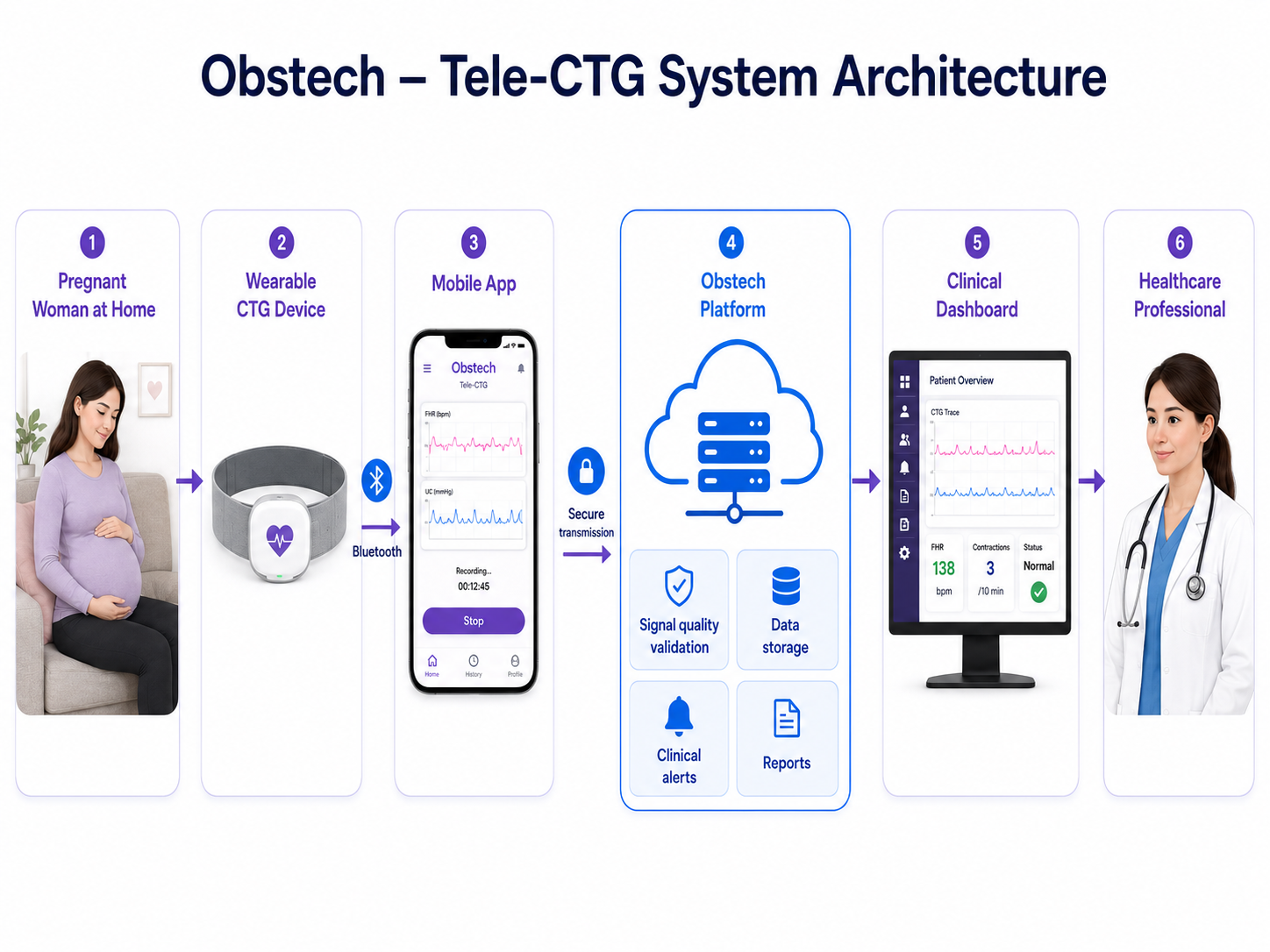
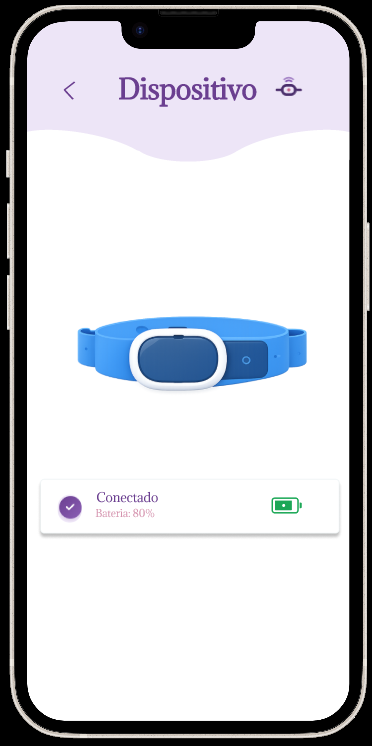
Obstech – Tele-CTG is a telemedicine service designed for remote fetal monitoring through cardiotocography (CTG) in home environments. It consists of a portable or wearable device that captures fetal heart rate and uterine activity signals, combined with a digital platform that transmits and displays this data securely to healthcare providers.
The system operates on a hybrid model: the pregnant woman uses the device at home while her clinical data is continuously available to her medical team through a dedicated professional interface. This eliminates the need for frequent hospital visits while maintaining the clinical quality and continuity of fetal monitoring.
1.2 The Concept of Remote CTG Monitoring
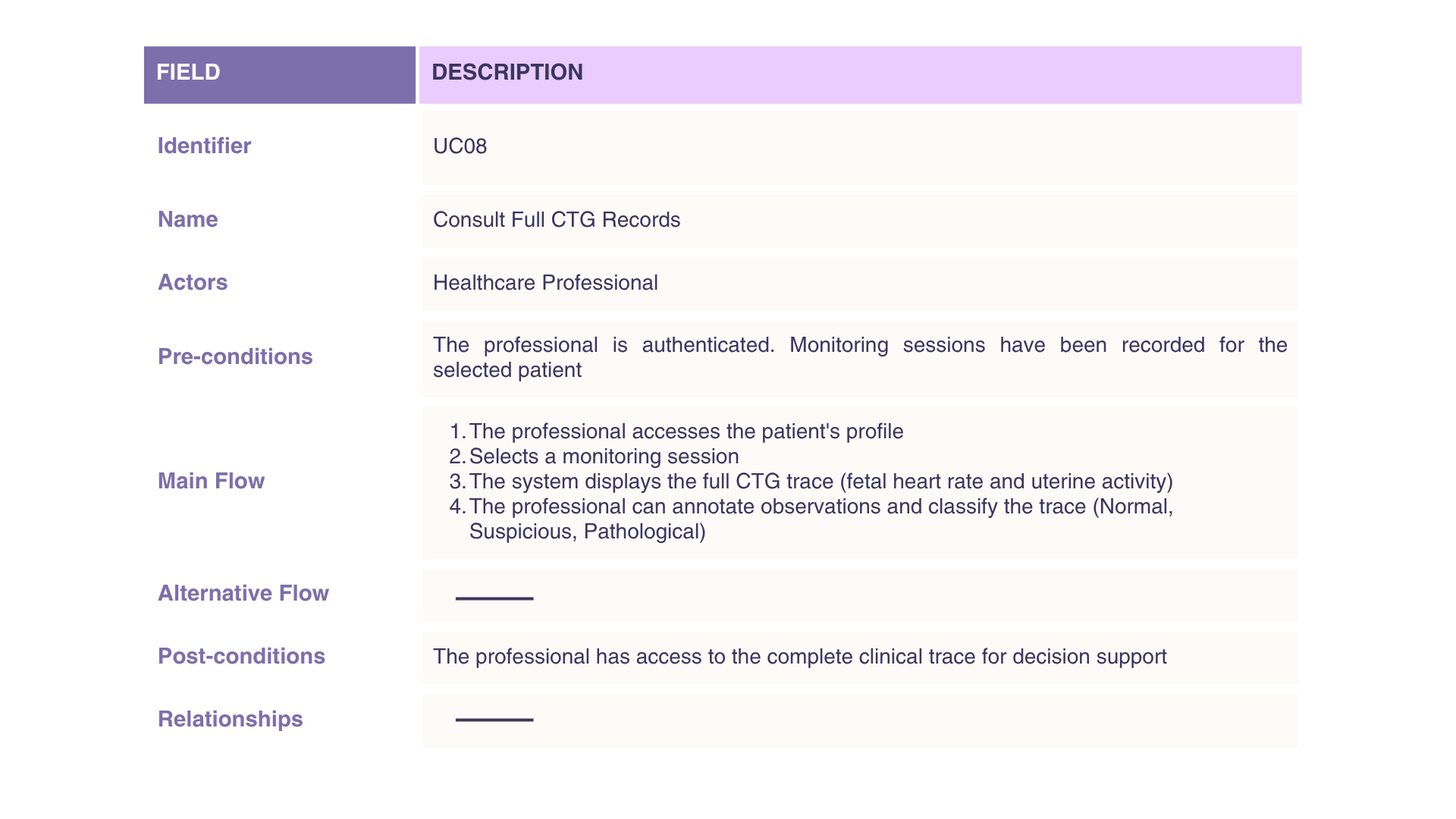
Cardiotocography CTG is the simultaneous recording of the fetal heart rate (FHR) and uterine contractions. It is a standard clinical tool used to assess fetal well-being during pregnancy and labor. In its traditional form, CTG requires the pregnant woman to visit a hospital or clinic, where sensors are placed on the abdomen and connected to a monitor.
Remote CTG monitoring refers to the use of portable or wearable sensors to perform CTG outside the clinical setting, typically at home, with data transmitted electronically to healthcare providers. This approach enables continuous or on-demand monitoring, reducing the burden on hospital services and improving access for patients in remote or underserved areas.
1.3 Project Motivation and Objectives
The motivation for this project stems from the clear limitations of current CTG monitoring practice:- Frequent and inconvenient hospital visits for routine monitoring;
- Episodic rather than continuous fetal surveillance;
- Overloaded obstetrics departments;
- Limited autonomy for the pregnant woman;
- Poor access for patients in rural or geographically isolated areas.
- Develop a remote CTG monitoring solution usable in a home environment;
- Review the state of the art and identify gaps in existing solutions;
- Contact relevant stakeholders (pregnant women, obstetricians, nurses) for requirements gathering;
- Design functional mockups of both the patient and clinical interfaces;
- Validate the proposed system's utility, usability, and clinical viability.
2. Market Assessment Study
2.1 Review of Existing Solutions
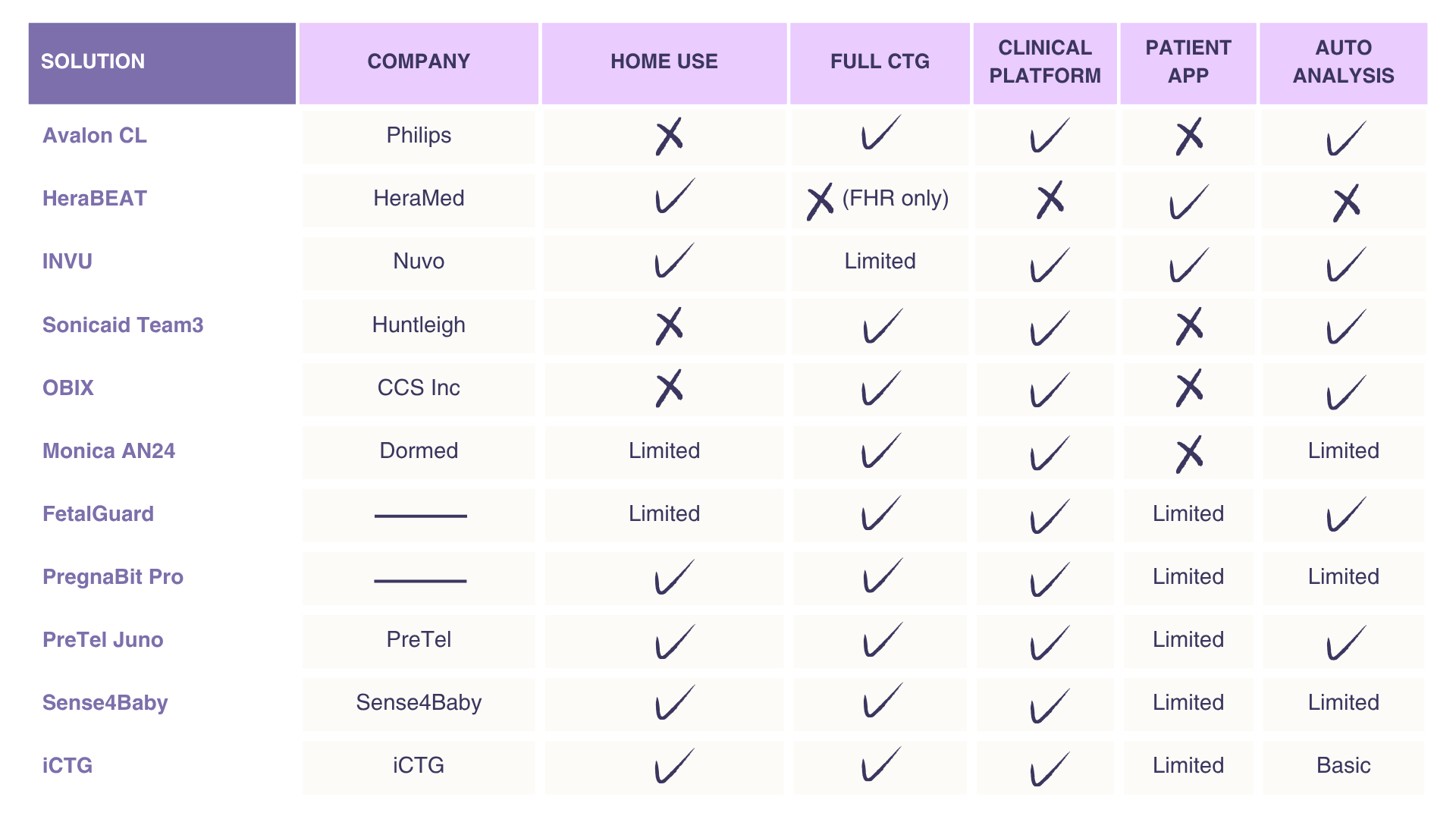
A systematic review of existing solutions for remote fetal monitoring was conducted. The solutions were evaluated across five key criteria: home use capability, full CTG measurement (FHR + uterine activity), clinical interface, patient interface, and automatic data analysis.

2.2 Analysis of Available Apps
Beyond dedicated hardware systems, several mobile applications exist for pregnancy monitoring. These can be broadly grouped into three categories:- Consumer wellness apps (e.g., baby heartbeat apps): These use the smartphone microphone to detect fetal sounds. They lack clinical accuracy and are not validated for medical use.
- Companion apps for medical devices: Applications paired with CTG devices (e.g., HeraBEAT app, PregnaBit app) that display data from dedicated sensors. These have better accuracy but typically offer limited clinical integration and a basic user experience.
- Hospital platform apps: Web-based or mobile interfaces for clinical staff to access patient monitoring data remotely (e.g., OBIX, Sonicaid). These are clinically robust but are not designed for patient use.
A key finding across all app categories is the consistent absence of a well-designed, patient-centered interface that makes clinical data meaningful and accessible to the pregnant woman without requiring medical expertise.
2.2 Analysis of Available Apps
The market analysis reveals a consistent pattern: existing solutions cluster at opposite ends of a spectrum. Clinical systems offer high reliability but require hospital attendance; home devices offer convenience but lack clinical depth and integration.
The identified gaps that Obstech aims to address are:- No solution combines full CTG monitoring (FHR + uterine activity) in the home setting with a strong clinical platform;
- Patient-facing interfaces are universally underdeveloped — data is displayed without meaningful context for the pregnant woman;
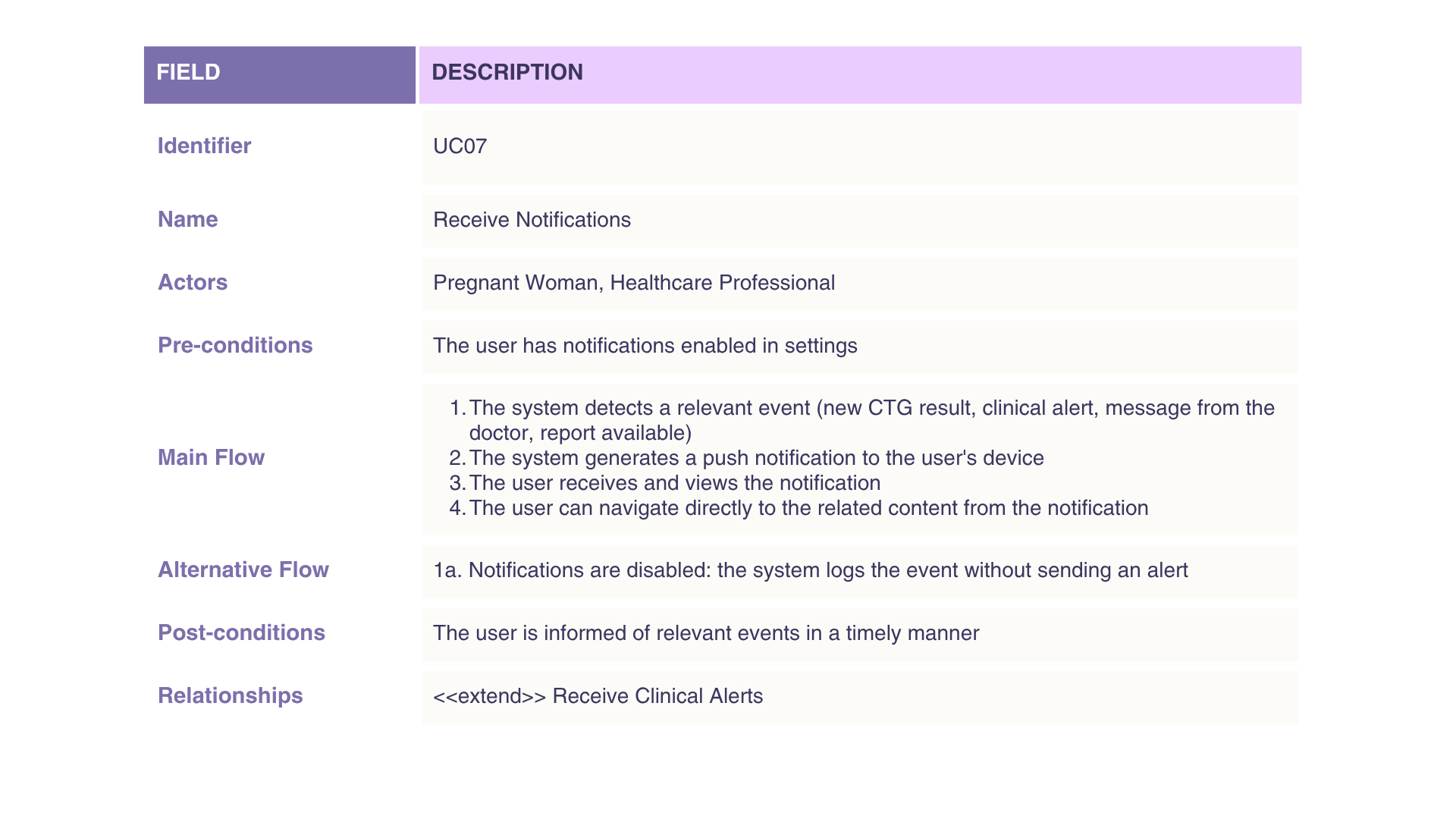
- Automatic analysis and intelligent alerting is either absent or limited in home-use solutions;
- No solution offers a true hybrid model with continuous bidirectional communication between the patient and the clinical team;
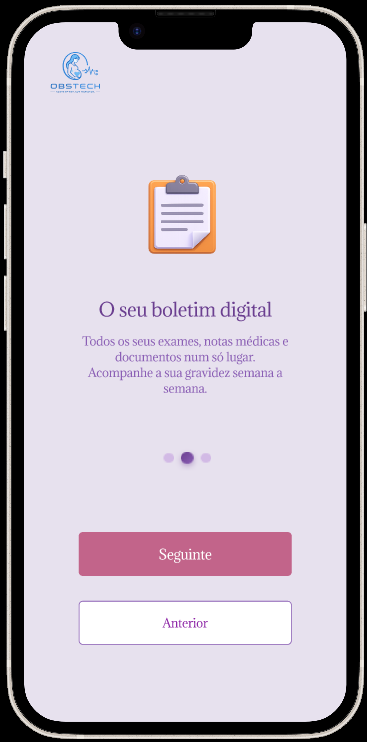
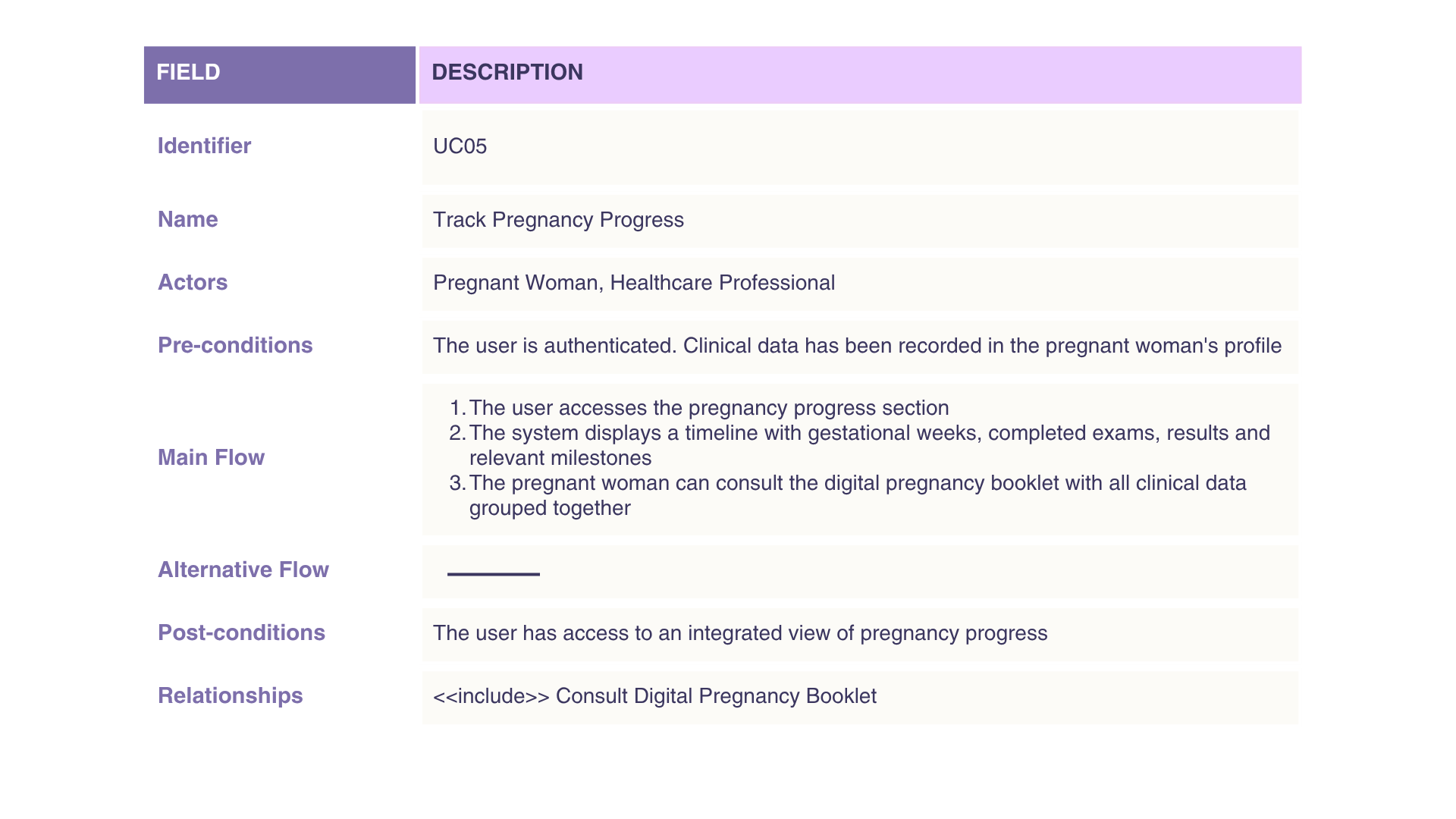
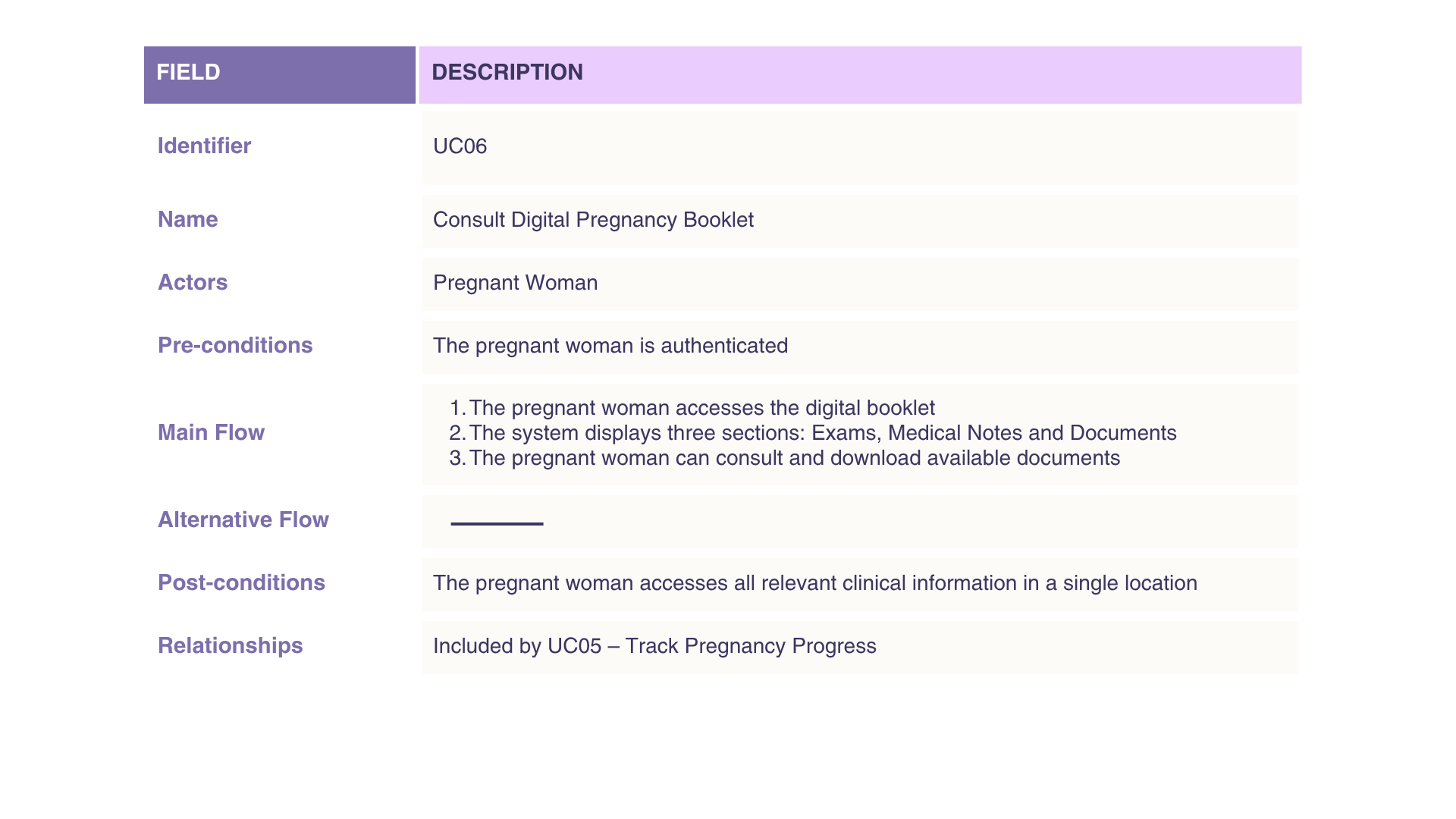
- Digital pregnancy records (a unified 'digital pregnancy booklet') are absent from all reviewed solutions.
These gaps define the innovation space for Obstech and directly inform its differentiating features.